Information
Landmark: Estancia La MalabrigaCity: La Pampa
Country: Argentina
Continent: South America
Estancia La Malabriga, La Pampa, Argentina, South America
Overview
It appears, Estancia La Malabriga, a historic ranch and working estate, sits in Argentina’s La Pampa province, just outside the quiet town of General Pico, where wind rustles through endless fields of grass, simultaneously this estate, established in the 19th century, helped shape the region’s growth and its farming economy, especially through cattle ranching and rows of golden wheat swaying in the summer breeze.Today, it stands as a proud emblem of rural Argentine heritage, giving travelers a taste of country life-like the smell of fresh bread baking in a clay oven, on top of that number one.Estancia La Malabriga sits just beyond General Pico, a bustling hub in La Pampa where the air smells faintly of dust and fresh bread, while you can drive there in no time, making it perfect for a quick escape or a short visit from the city-just park and step right into the view.You can reach the estancia by car along local roads from General Pico, passing golden fields and wide skies as you drive through the Argentine Pampas, subsequently you can often book a private tour of Estancia La Malabriga, where a guide walks you through its history, the rhythms of farm life, and the rich local culture.You know, Number two, therefore history and Significance - Foundation and Development: Estancia La Malabriga began in the late 1800s, and ever since, the same family has kept it, passing the keys from parent to child like a well-worn leather saddle.For generations, the estate has anchored La Pampa’s farming and ranching life, sending out grain trucks at dawn and giving steady work to the people who call the region home, also estancia La Malabriga began with cattle ranching, the lowing of herds carrying across the plains, and later branched into crop farming, helping to shape the region’s agricultural landscape.Over the years, the estancia has weathered countless changes, yet its aged stone walls still hold the same historic charm and time-honored traditions, also number three sat scrawled in the corner, dusky and neat like fresh ink on paper, mildly At Estancia La Malabriga, visitors can wander the pastures, watch gauchos saddle their horses, and perceive up close how traditional farming and cattle ranching still shape life in the region, equally important cattle Ranching: Visitors can watch the herds grazing in the pasture and might even join in on activities like rounding up the cattle, a little Tours also take guests through the estate’s crop fields, where rows of wheat, corn, and soybeans stretch out in different stages of growth, from tender green shoots to golden, ready-to-harvest stalks, at the same time at Estancia La Malabriga, you can savor a traditional Argentine asado-the smoky, measured-grilled barbecue that sits at the heart of the country’s culture, partially Guests can savor tender grilled meats, sip regional wines, and sample other local treats, like crusty bread still warm from the oven, along with horsemanship: At the historic estancia of La Malabriga, you can step into the world of Argentine riding and gaucho traditions, maybe even feel the worn leather reins in your hands.Visitors can watch skilled riders put their horses through graceful turns, or hop in the saddle themselves for a guided tour across the wide, open estate.3.3 Nature and Wildlife
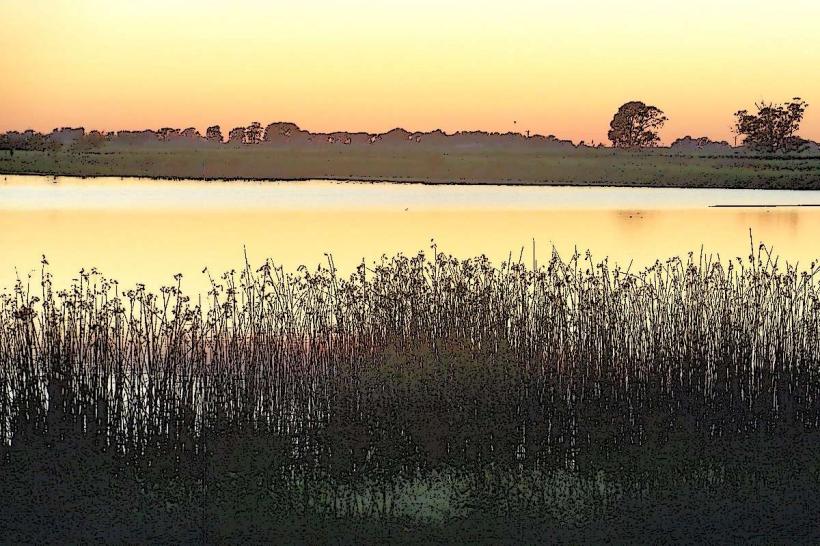
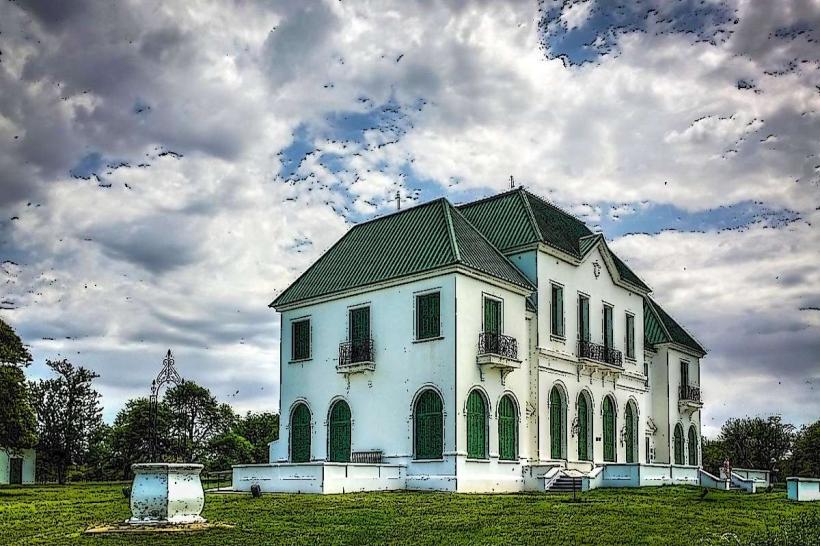
Estancia La Malabriga sits in the heart of the Pampas, where tall grasses sway in the wind and the land stretches to the horizon, meanwhile stroll the estate’s winding paths, where wide-open fields stretch under blue skies, hills ripple gently in the distance, and deer flick their ears in the tall grass, somewhat The estate shelters a lively mix of native birds, and on a quiet morning you might catch sight of a woodpecker tapping bark, an eagle gliding overhead, or a partridge darting through the grass, as a result number four.Estancia La Malabriga isn’t only about farming-it’s woven into the region’s cultural heritage, with weathered stone walls that have stood for generations, to boot the main house, with its whitewashed walls and wide shaded veranda, reflects the traditional Argentine colonial style and opens a window into the lives of the estate’s former owners and the surrounding community, kind of The estancia holds several historic buildings, carefully preserved through the years-among them the whitewashed main house, the ancient stables, and other weathered farm structures, therefore every so often, the estancia comes alive with folk music, lively dance shows, or colorful traditional festivals, giving visitors a chance to soak up the region’s rich cultural heritage.Number five, then spring through summer, from October to March, is the sweet spot for a visit.Warm, clear days invite you outside for horseback rides, long walks, and the smoky aroma of an asado on the grill, to boot the fields are thick with green, alive with birdsong, and it’s the perfect moment to take in the estancia’s beauty.Autumn, from April to June, brings cooler days and fewer crowds, making the air feel calm, while splashes of gold and red leaves lend the landscape a fresh kind of beauty, also winter, from July to September, brings a chill to the air but also a hush to the streets, making it perfect for travelers who want peace and time to think.Number six, then if you’d like to stay a little longer, Estancia La Malabriga has rustic but comfortable lodging, from cozy guesthouses to rooms in the main house that smell faintly of polished wood.They offer a true estancia experience, blending modern comforts with traditional Argentine touches like worn leather chairs and handwoven blankets, and facilities: The estancia offers everything visitors need, from shining, welcoming dining rooms and clean bathrooms to spacious event halls perfect for group activities or lively celebrations.Interestingly, Seven, simultaneously in the end, Estancia La Malabriga gives you a true taste of Argentine ranch life-mending fences under the sun, saddle creaking as you ride.From hands-on farming traditions to the spirited music and horsemanship of gaucho life, visitors can dive into activities that bring La Pampa’s history, culture, and wide-open landscapes vividly to life, therefore whether you’re drawn to farming life, curious about local wildlife, or eager to savor the smoky aroma of a traditional Argentine asado, this estancia offers an experience that pulls you right in., perhaps
Author: Tourist Landmarks
Date: 2025-09-17